

The constant temperature and humidity chamber is the quality moat of our MC4 photovoltaic connectors.
The constant temperature and humidity chamber is the quality moat of our MC4 photovoltaic connectors.
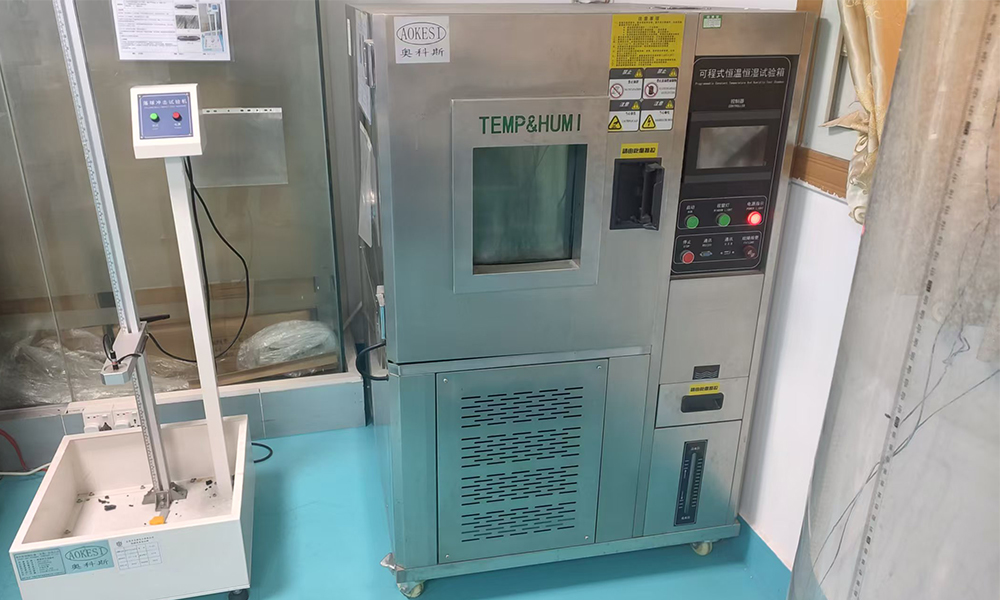
Photovoltaic connectors are the "current blood vessels + connection joints" of photovoltaic systems, and constant temperature and humidity chambers are the core protective barrier for them from research and development, production to reliability verification. They directly determine whether the connectors can withstand the extreme outdoor environment for 25+ years without leakage, overheating, or disconnection.
I. Why is it called the "moat" of photovoltaic connectors?
Photovoltaic connectors are exposed to prolonged sunlight, rain, high and low temperatures, and alternating periods of humidity and heat. Any deficiency in environmental adaptability can directly lead to power station malfunctions, fires, or failures. Constant temperature and humidity chambers simulate these harsh, controlled environments to mitigate these risks in advance. These chambers are core equipment for the research, certification, and mass production reliability verification of photovoltaic connectors. By precisely controlling temperature and humidity, they simulate outdoor hot and humid environments with temperature variations, accelerating aging, exposing defects, verifying lifespan, and ensuring the safety and long-term stability of DC connections.
II. Core Function of Constant Temperature and Humidity Unit (Specifically for Photovoltaic Connectors)
1. **Dual 85% Humidity Aging (85℃/85% RH, 1000h):** Simulates high-temperature and high-humidity outdoor conditions to verify:
a. Oxidation/corrosion of metal terminals, increased contact resistance
b. Moisture absorption, aging, and cracking of insulating housing/seals
c. Long-term stability of insulation resistance and withstand voltage
2. **Temperature and Humidity Cycling/Temperature Shock (-40℃↔+85℃):** Simulates day/night/seasonal temperature differences to assess:
a. Seal failure and water ingress caused by thermal expansion and contraction
b. Insertion and extraction force, mechanical stability of locking structure
c. Contact stress relaxation and poor contact
3. **Steady-State Humidity and Durability Screening:** Long-term aging at constant temperature and humidity for:
a. Material selection comparison (housing, seals, plating)
b. Process defect screening (air tightness, assembly defects)
c. Life prediction and root cause analysis
4. **Electrical Safety and Performance Verification:** The following measurements must be taken before and after the test:
a. Contact resistance ≤ specified value (no abnormal increase)
b. Insulation resistance ≥ 1000MΩ
c. Withstand voltage, creepage distance/clearance meet requirements
III. Key Test Items and Standards
• Constant humidity and heat: GB/T 2423.3, IEC 60068-2-78
• Alternating humidity and heat: GB/T 2423.4, IEC 60068-2-30
• Photovoltaic connector specific: IEC 62852, GB/T 33765
• Typical conditions: 85℃/85%RH 1000h; -40℃ to +85℃ 200~300 cycles
IV. Summary
As a key testing device for Meihua MC4 photovoltaic connectors, the constant temperature and humidity chamber has always been one of the core factors contributing to our stable quality. We firmly believe that only through continuous and repeated testing and verification of our products can we develop and produce better ones.
 telephone
 Contact US